Tyres rarely fail without warning. They speak in small ways first: a deeper hum at motorway speeds, a longer stop at the lights on a wet evening, a slight shimmy in the steering when you crest the tram tracks on Addiscombe Road. Knowing when to schedule a tyre change is part science, part observation, and part respect for the only four palm-sized patches of rubber that keep a tonne of metal in contact with the road.
As someone who has spent years in workshops, on test tracks, and in vehicles that earned their living on the M25, I have seen how a well-timed tyre replacement protects your safety, lowers your running costs, and keeps your car feeling crisp and trustworthy. This guide lays out practical ways to judge tyre health, choose the right moment to act, and get the most value from professional tyre fitting, whether you are arranging tyre replacement in Croydon or planning ahead for a long trip up the A1.
Why timing matters more than most drivers think
Braking distance, steering response, and aquaplaning resistance degrade gradually. They do not wait for the legal limit to pass. On a dry road at 30 mph, the difference between a tyre with 3 mm of tread and one at 1.6 mm can be a car length or more. In heavy rain at motorway speed, the gap widens dramatically. Modern stability and ABS systems help, but their physics still relies on rubber gripping asphalt.
Tyres age even if you drive little. UV light, ozone, heat cycles, and storage conditions harden the compound over time. A tyre that looks fine at a glance can lose grip long before it wears out. Fleet managers have known this for years, which is why most large fleets plan tyre change intervals by both tread depth and age. Private drivers benefit from the same approach.
There is also the financial case. Running tyres down to the cords risks punctures and blowouts, which strain suspensions and can damage alloy rims. Poorly performing tyres wear faster, force higher fuel consumption, and can lead to uneven wear that wastes the remaining life on the other tyres. A measured, timely tyre replacement is almost always cheaper than a crisis one.
Legal limits, safe thresholds, and the “real” replacement point
The legal minimum tread depth for passenger vehicles in the UK is 1.6 mm across the central three-quarters of the tread, around the entire circumference. That is a floor, not a target. By the time you reach 1.6 mm, wet braking and aquaplaning performance have already fallen sharply. Independent tests commonly show a noticeable safety benefit above 3 mm, particularly in winter rain.
So, where should you draw the line?
- For year-round UK driving, many practitioners recommend replacing summer or all-season tyres at around 2.5 to 3 mm, especially if you spend time on fast A-roads or motorways. The safety margin in heavy rain is worth it. For winter tyres, treat 4 mm as a practical minimum. Below that, the sipes and block edges that generate snow and slush grip lose much of their bite.
Those numbers fit most everyday driving. If your annual mileage is light and your tyres are aging out rather than wearing down, focus on the manufacture date and the signs of compound hardening described later. If you make regular long runs between Croydon and coastal routes, or you tow, give yourself more buffer. Heavier loads and sustained speed push tyres closer to their thermal limits.
Reading tread like a pro
A proper tread-depth gauge is cheap and accurate. Failing that, a 20p coin can serve in a pinch. Insert the coin into the tread grooves; if the outer rim is visible, you are close to the legal minimum. But a single reading can mislead. Tyres rarely wear perfectly evenly across the whole surface. Read at least six spots per tyre: inner edge, center, and outer edge in two places around the circumference. Bias towards the inner edge on front tyres, which is where camber and toe misalignment can shave off millimeters unseen.
What do different wear patterns tell you?
- Heavier wear in the center with healthy shoulders suggests overinflation, which crowns the tread. You will lose grip under braking and tramline on rutted surfaces. Shoulders worn, center fine, points to underinflation. The tyre rolls onto its edges in corners and squirm under load, adding heat. Inner edge scrubbed down, outer intact, hints at excessive negative camber or toe-out. Common on lowered cars and vehicles that kiss speed cushions daily. Feathery or sawtooth edges on the tread blocks indicate misalignment or worn suspension bushings. Listen for a low-pitched whir at 40 to 50 mph. Cupping or scalloping can come from tired dampers. The tyre bounces and lands with extra force in repeating patches that dig into the rubber.
If you are booking tyre fitting in Croydon, bring photos of the wear. A good technician reads tyres the way a doctor reads a chart. Fixing the root cause protects your new set from repeating the same fate.
The age factor: sidewall codes and compound health
Every tyre has a DOT or production code stamped on one sidewall. The last four digits show the week and year of manufacture. For example, 2319 means week 23 of 2019. Age guidelines vary, but a widely accepted rule: inspect tyres carefully at five years and plan to replace by the time they are eight years old, regardless of remaining tread. High-performance tyres and vehicles stored outside may need earlier replacement.
Age shows in the rubber. Look for hairline cracks in the sidewall near the rim and in the tread grooves between the blocks. Rub the surface with a clean cloth; hardened rubber tends to feel smooth and plasticky rather than slightly tacky. If the tyre chirps too easily in dry, slow-speed turns or slides in the wet with gentle throttle, the compound may have aged out. On the road, the car can feel skittish over painted lines during rain, or it may spin a driven wheel when pulling away uphill even with careful pedal work.
I have tested decade-old tyres with half their tread remaining that stopped as much as 20 percent longer in the wet than new equivalents. They looked serviceable on the rack. They were not on the road.
Punctures, repairs, and when a fix is not the right answer
A sound, professionally executed puncture repair in the tread area can be safe and cost-effective. The plug-patch method installed from the inside is preferable to a simple string plug. But not every puncture qualifies. If the damage lies within about 25 mm of the shoulder, or if the hole is larger than roughly 6 mm, or if the tyre has been driven flat at speed, replacement is the prudent choice.
The less obvious case is repeated punctures in urban driving. If you have picked up two or three nails within a year, you may be commuting across a construction corridor or parking in a debris-prone space. Low-cost tyres with thin tread belts seem more susceptible. It can pay to step up one tier in tyre construction tyre replacement and ask for reinforced sidewalls if you carry loads or passengers often. For those arranging a tyre change in Croydon, mention your routes. A local fitter often knows the roadworks that trap nails and can advise accordingly.
Ride feel and noise: the tells you sense from the driver’s seat
Drivers live with their tyres daily, so they often notice the first change before a gauge does. Pay attention to:
- A steady hum that rises with speed on smooth tarmac. Some pattern noise is normal, particularly with aggressive tread designs, but a new, coarse note may signal heel-and-toe wear on block edges. A nervous steering feel over joins and paint. This frequently points to a hardened compound or shoulder wear that dulls the tyre’s ability to conform to the surface. Increased kickback from potholes or a brittle ride over speed cushions. That is more than comfort. It can mean the tyre sidewall has lost elasticity or suffered internal bruising. A faint thud-thud cadence at low speeds that smooths out as you go faster. That often means a flat spot from parking for long periods in cold weather or, more concerning, a belt separation beginning to form.
Noise and feel are subjective, and wheel bearings or brake issues can create similar symptoms. If the sensation is new to you, get the tyres inspected. A quick check on a lift with the wheels spinning off the ground can distinguish tyre noise from mechanical drone.
Seasonal shifts, UK weather, and compound choice
Britain’s maritime weather pushes tyres through damp cold and warm rain rather than heavy snow. In Croydon and across Greater London, grit rarely bites the roads the way it does in the Highlands, but winter rain and leaf mulch create their own hazards. Summer tyres typically work down to 7 degrees Celsius, but as temperatures hover in the low single digits, all-season or winter compounds maintain better pliability. If you run one set year-round, pick a premium all-season designed for wet, cool climates rather than a summer-biased pattern. If you run two sets, plan your switchovers based on the forecast, not the calendar. Two mild weeks in November do not justify delaying the move to winter rubber if your morning commute leaves you on untreated side streets before dawn.
When spring returns, avoid keeping winter tyres on into May and June. The softer compound heats up and wears quickly on warm roads, and braking on hot, dry tarmac will not match a good summer tyre. If you need a practical trigger, change to winters when night temperatures sit consistently below 7 degrees and switch back when mornings stay above it for at least two weeks.
Uneven wear: when replacement should include alignment and suspension checks
A new set deserves a clean start. If your old tyres show sawtooth patterns, inner-edge baldness, or patchy wear, replacing rubber alone is not enough. Book a four-wheel alignment with a competent shop, not a nominal toe adjustment at a fast-fit that only sets the front to a green band. Ask for before-and-after printouts showing camber, caster, and toe. Slight adjustments can transform steering feel and extend the life of your tyres by thousands of miles.
I also like to combine tyre fitting with a quick suspension inspection. Worn control arm bushes, tired dampers, or a cracked spring leave their signature on the tread. If you feel the car float over motorway undulations or see cupping on the tread blocks, the dampers may be past their best. On average, shocks lose performance gradually from 40,000 to 60,000 miles. You do not need a bounce test to spot it; the tyres have already told the story.
For those scheduling tyre fitting Croydon side, ask whether the workshop offers a road-force balance. This method measures tyre and wheel uniformity under load and can pinpoint a stiff spot in the tyre or a slightly bent rim. It is not always necessary, but it can solve stubborn steering vibrations that regular balancing misses.
How to think about value and brand tiers
Price is not the same as value. Budget tyres have improved, but I still see three big differences between tiers: wet braking distance, resistance to aquaplaning, and stability at motorway speed. Premium tyres tend to maintain their performance deeper into their life, not just when they are new. Mid-range options can be excellent if you choose the right pattern for your use.
Choose by use case, not by name alone. A city car doing 5,000 miles a year with short hops can run a quiet, comfort-focused tyre with low rolling resistance. A family estate covering 15,000 miles, including holiday motorway runs and rainy B-roads, benefits from a premium wet-grip pattern that evacuates water quickly. A hot hatch with occasional track days needs reinforced shoulders and a performance compound, understanding that such tyres will trade longevity and noise for grip and heat tolerance.
Do not skip load index and speed rating. If you tow, carry a full cabin often, or if your car specifies a higher load rating, follow the handbook. Tyres with insufficient load capacity overheat and can fail from the inside out. If your vehicle requires manufacturer-specific tyres, such as those marked with AO, MO, BMW star, or similar homologation codes, stick with them when possible. The car’s chassis tuning often assumes those characteristics.
The practical trigger points: simple rules that work in the real world
Drivers like clear thresholds. While judgement is key, you can adopt a few practical triggers that cover most situations.
- Replace at 3 mm for summer and all-season tyres if you routinely drive at motorway speed, carry family, or encounter heavy rain. The small cost difference versus squeezing the last millimeter is outweighed by shorter stopping distances. Prioritise earlier replacement of front tyres on front-wheel-drive cars if wet understeer appears during medium-speed roundabouts. The front axle does most of the braking and steering work; tired fronts compromise safety first. Age out tyres at eight years even if they look healthy. If you store a second set, keep them in a cool, dark place, away from electric motors that generate ozone, and revisit their condition every season. After a significant impact, such as a deep pothole strike that jars the cabin, inspect for sidewall bubbles or a slight steering pull. A bulge or egg in the sidewall demands immediate replacement. Internal damage can lead to a blowout without further warning. If a tyre has two or more repairs or a repair near the shoulder, consider replacing rather than patching again. Compounded weak points rarely end well.
These triggers are conservative on purpose. They tilt towards safety and predictable handling.
Tyre pressures: the quiet multiplier of wear and grip
Tyre pressure is the easiest thing to get right and the thing most neglected. Underinflation by as little as 3 to 5 psi heats the carcass, dulls steering, and drags fuel economy down by several percent. Overinflation sharpens initial response but lengthens braking and hammers the center tread. Set pressures cold, ideally in the morning, using a reliable gauge. The sticker on the driver’s door jamb or the fuel flap lists the correct settings for both normal and loaded conditions.
Pay attention after a tyre change. New tyres can sometimes be overfilled by a rushed fitter. Recheck a day later. If your car has a tyre pressure monitoring system, treat a warning as an invitation to inspect rather than simply clear. A slow leak caught early is often repairable.
Rotation: when to swap, when to leave well enough alone
Some manufacturers recommend rotating tyres front to rear to even out wear. This makes sense on vehicles with even loads and similar alignment front and rear. On a front-wheel-drive hatchback, swapping the tyres at around 5,000 to 7,500 miles can extend life and keep tread depth balanced. Mark directions if you use directional tyres; keep them on their sides. If the tyres are asymmetric and non-directional, the rotation pattern can include crossing sides.
However, rotation can mask a hidden alignment issue. If you see a unique wear pattern on one corner, fix the cause before you rotate. And if your rear tyres are several years older than the fronts but have good tread, think twice. You may be moving aged, hardened rubber to the front axle where it has the most work to do. If in doubt, replace in axle pairs and keep like-with-like across each axle.
A Croydon-specific note: road surfaces, parking, and local usage
Local conditions shape tyre life. Around Croydon, several factors tend to show up in tyre wear:
- Repeated speed cushions and sharp-edged humps in residential areas compress sidewalls and accelerate shoulder wear, especially on heavier SUVs. Heavier vehicles on soft-sidewall tyres often show feathering on the inner edges after a year of this. Tram tracks and the concrete seams on some sections of the Purley Way can add a subtle tramline effect. Tyres with strong center ribs resist this better. If your car follows grooves, choose patterns with interrupted ribs and stiffer sidewalls. On-street parking along tree-lined avenues exposes tyres to constant temperature swings and debris. Fallen twigs and hidden screw caps find their way to tyres more often than you would think. A monthly visual check saves money. Frequent short urban trips warm tyres unevenly. If you mostly use the car for school runs and errands under five miles, pick a tyre with good low-temperature wet grip and avoid ultra-high-performance compounds that need heat to shine.
When you book tyre fitting Croydon wide, mention these habits. The right shop will steer you towards a carcass and tread pattern that fits the local realities, not just a brand name.
When a tyre change becomes a handling upgrade
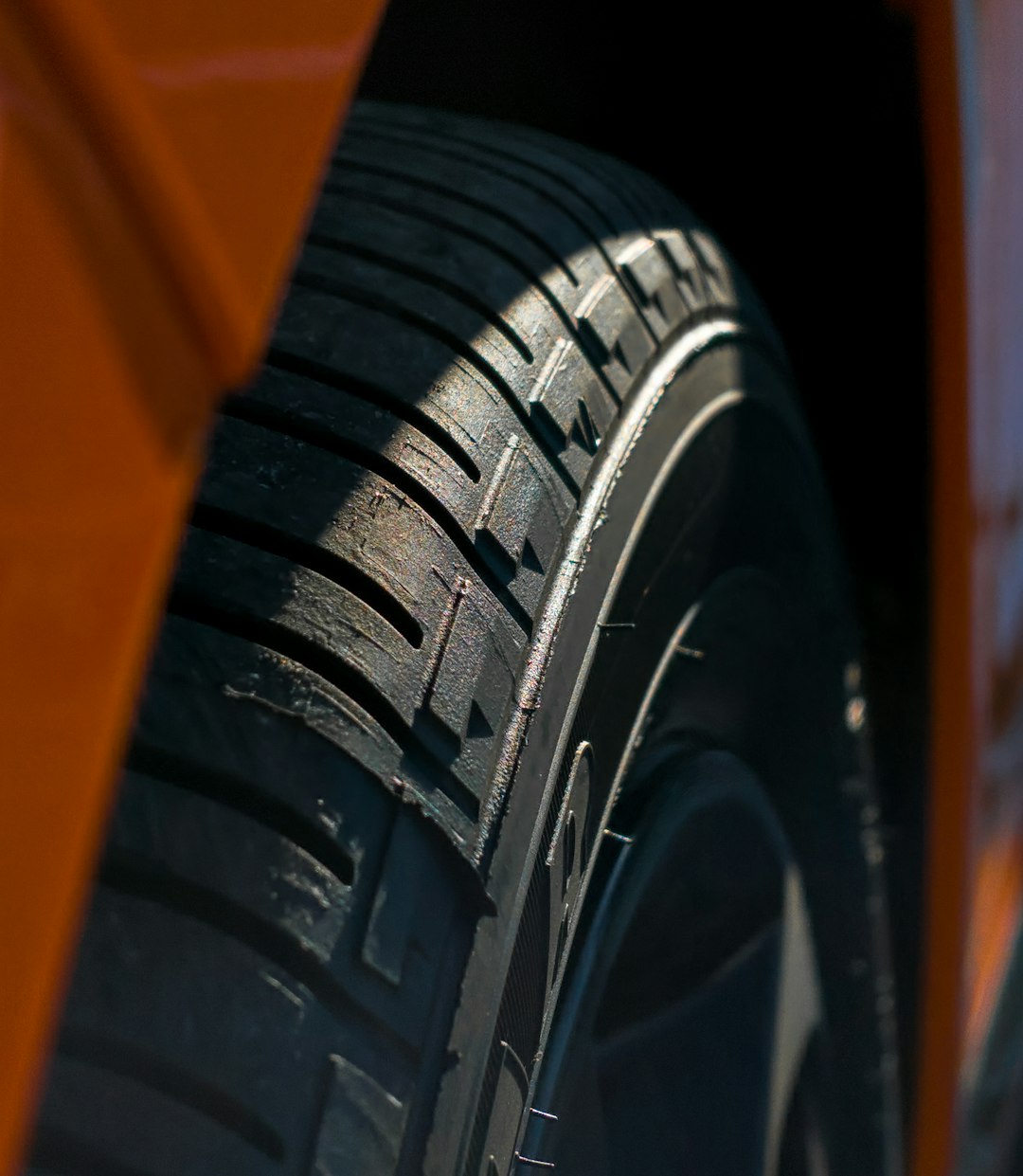
Tyre replacement is not only maintenance. It is also the bluntest, most effective handling upgrade for most cars. If your steering feels mute, choose a tyre known for high lateral stiffness and a responsive sidewall. If your commute wears you out with noise, go for a pattern with staggered pitch sequencing and a softer casing. If your partner dislikes the ride on the family SUV, a move from an XL load tyre to a standard load version, if allowed by spec, can settle the chop on patched tarmac. The changes are not subtle, and you will feel them every drive.
I once swapped a set of tired, mid-range tyres on a 3 Series for premium wet-grip tyres with reinforced sidewalls and watched the car regain its sharpness on the A232. The owner thought we had checked the alignment. We had. The real difference was fresh compounds that could deform and recover as designed, with shoulder blocks stiff enough to hold geometry under lateral load.
How professional fitting prevents costly issues later
DIY tyre changes belong on track support teams and classic car garages with the right tools. For daily drivers, professional tyre fitting pays for itself. A good fitter:
- Uses a torque wrench on wheel bolts or nuts and records the spec. Overtightened bolts are a nightmare roadside and can warp brake discs. Cleans hub faces to prevent runout. A film of corrosion becomes a wobble at 70 mph. Replaces rubber valves or checks metal TPMS stems, resealing as needed. A tired valve can be the source of a slow leak that ruins a new tyre through underinflation. Balances dynamically with enough weights to hit zero. A rushed job that accepts “good enough” will haunt you on the motorway. Seats beads with the right lube and respects directional and asymmetric markings. It sounds basic. It matters.
If you are arranging tyre replacement Croydon way, ask for a slot that allows the technician time to do the job correctly. Avoid turning up right before closing with a complex fit. The best work happens without the clock pressing unreasonably.
Making the most of your visit: a short, high-value checklist
Use this brief checklist when you book your tyre change:
- Ask for tread depth measurements across the tyre and a visual report on wear patterns. Request a four-wheel alignment check if your wear is uneven or the steering wheel sits off-center. Confirm the correct load index and speed rating, as per your handbook or door sticker. Specify torque settings and ask that they be written on the invoice or a tag in the glovebox. Recheck pressures at home after one day of driving, setting them cold to the manufacturer’s figures.
This is one of only two lists in this article. It delivers practical steps that prevent the most common post-fitting problems.
When you should replace in pairs or as a full set
Replacing a single tyre is sometimes unavoidable, especially after a puncture on a nearly new set. Whenever possible, replace tyres in pairs on the same axle to keep grip balanced left to right. Mixing vastly different tread depths on the same axle can make the car pull under heavy braking and upset stability in the wet.
If your vehicle has all-wheel drive, check the manufacturer’s guidance. Some systems dislike large rolling radius differences between front and rear. A difference of more than about 2 to 3 mm in tread depth across axles can stress the center coupling. Many AWD owners elect to replace all four together once two need changing, preserving system harmony and predictable handling.
TPMS, run-flats, and special cases
Tyre pressure monitoring systems are now common. Direct TPMS uses sensors inside the wheel and may require relearning after a tyre change. A good shop has the equipment to program or reset sensors and can replace sensor seals. If you have run-flat tyres, understand the trade-offs. They allow short-distance driving after a puncture, which is gold on a wet night without a spare. They also cost more and can ride a bit stiffer. On cars designed for run-flats, the suspension tune often expects that stiffness. If you switch to conventional tyres, you may need a can of sealant and a compressor, and you may change the feel more than you intend.
Electric vehicles add another wrinkle. Their weight and torque place extra load on tyres. Choose EV-marked tyres where available, rated for higher loads and optimized for low rolling resistance without sacrificing grip. Expect faster wear on aggressive launches. Rotations at shorter intervals can pay off on EVs, and replacing earlier than you would on a lighter petrol car can be wise for wet safety.
After the fit: breaking in and monitoring
New tyres benefit from a short bedding-in period. The release agents used in moulding can make the surface slightly slick. For the first 150 to 200 miles, avoid abrupt braking and give the tyres a chance to scuff in. You will feel grip improve over the first week. Monitor pressures after that first heat cycle and again a week later. Modern tyres tend to hold pressure well, but a small bead leak or a nicked valve can sneak through.
Get to know the new sound and feel. Your ears and hands are early warning sensors. If the car pulls, the wheel sits off-center, or a vibration appears at a particular speed, return to the fitter. Problems are easier to correct early. A tiny imbalance at 50 mph is a big one at 70.
Recycling and environmental sense
Tyres are not waste you want in general landfill. Professional shops collect and route them to proper recycling streams. The rubber finds second lives as playground surfaces, running tracks, or fuel in controlled industrial processes. If you are offered to take old tyres home, decline unless you have a planned and legal disposal route. Ask your fitter about the disposal fee and where the tyres go. Responsible handling is part of the full life cycle.
You can help during the tyre’s life by keeping pressures right, which reduces rolling resistance and lowers fuel use, and by choosing tyres with low rolling resistance ratings where they suit your driving. That is not only for hybrids. Any car benefits from a quieter, more efficient tyre, so long as wet grip remains strong.
Putting it all together: a working decision framework
Combine the cues rather than relying on a single metric. Tread depth gives you a quantifiable measure, age tells you about compound health, feel and noise reflect how the tyre and suspension interact with real roads, and inspections reveal structural integrity. When two or more signals point the same way, act.
A brief example helps. Picture a family hatchback with front tyres at 2.8 mm, rears at 4.5 mm, a faint hum from the front that was not there last year, and a stamp showing the tyres were made in week 10 of 2019. The car feels a bit loose in heavy rain on the A23. The indicators align. Replace the fronts now, match the brand and pattern to the rears if possible, and book an alignment. Set a reminder to reassess the rears in six to nine months. If the same car had fronts at 4 mm but showed small sidewall cracks and harsh impacts over humps, age and compound health would still justify a proactive tyre change.
For a driver planning tyre replacement Croydon area with mostly urban usage, look for tyres with easy tyre change process high wet braking ratings, good noise scores, and strong sidewalls. If weekend motorway trips are frequent, rate aquaplaning resistance higher. If parking involves climbing kerbs, avoid tyres with soft, decorative rim protectors that tear easily and choose genuine reinforced designs.
Where professional judgement adds value
Not every case is straightforward. Tyres can heat-spot from a seized brake caliper, wear diagonally from a mislocated rear axle, or show belt distortions after a curb strike that leave no obvious mark. This is where experience matters. A professional sees the irregularities, measures runout, and recommends the safer path. The cost of that expertise is small compared to the consequences of a freeway failure or a wet-road slide that never quite stops in time.
Small shops often outperform big chains in this kind of nuance because the person fitting the tyres is the same one who test-drives the car. Large chains bring equipment, stock, and longer hours. Choose based on the complexity of your need, your schedule, and the quality of the conversation you have at the counter. If you feel rushed or sold, step back. If you feel informed and your questions are answered plainly, you are in the right place.
Final thoughts you can act on this week
Check your tyres cold tomorrow morning. Read the tread at several points, shine your phone torch along the inner edge, and note the manufacture date on the sidewall. If any tyre sits at or under 3 mm, if you spot sidewall cracks, or if a recent pothole has shaken your faith in the carcass, plan a tyre change rather than squeezing another season. If you are local, look for tyre fitting Croydon services that combine alignment, proper balancing, and transparent advice. Bring your observations, ask for printouts, and keep the measurements for your records.
Tyres deliver safety quietly. Renew them before they ask loudly. A measured, timely tyre replacement keeps your car honest, your family safer, and your day-to-day driving less stressful. It turns every stop, turn, and rainy night into something you control rather than endure. That is worth planning for, and it starts with knowing what to look for and when to act.
Tyre Fitting & Tyre Replacement FAQs
Quick answers to common questions about tyre fitting & replacement, tyre safety, and tread checks.
How much does a tyre fitting service cost?
The cost of a tyre service typically depends on the tyre size, tyre brand, vehicle type, and location. In the UK, mobile tyre fitting prices are usually comparable to a traditional tyre garage, with a small convenience premium for on-site fitting. Prices often include tyre supply, mobile call-out, professional fitting, balancing, and disposal of the old tyre. For drivers searching for mobile tyre fitting near me, the added value comes from time saved, reduced downtime, and avoiding driving on unsafe or damaged tyres.
Can tyres be fitted at home?
Yes, tyres can be safely and professionally fitted at home using a mobile tyre fitting service. Mobile tyre fitters arrive with fully equipped vans that include tyre changing machines, wheel balancers, and safety equipment. Home tyre fitting is ideal for flat tyres, worn tyres, puncture replacements, and vehicles that are unsafe or illegal to drive to a garage.
What is the 3% tyre rule?
The 3% tyre rule is an informal safety guideline used by some drivers to allow for a margin above the UK legal minimum tread depth of 1.6mm. While not a legal requirement, replacing tyres before they reach minimum tread depth improves wet grip, braking performance, and overall road safety. Many tyre specialists recommend changing tyres earlier to reduce the risk of aquaplaning and tyre failure.
Is a mobile tyre shop any good?
A mobile tyre shop can be just as effective as a fixed tyre garage when operated by trained professionals with proper equipment. Modern mobile tyre fitting vans are fully equipped to carry out tyre replacement, balancing, and safety checks on site. For drivers prioritising convenience, safety, and time efficiency, mobile tyre services are a reliable alternative to traditional tyre centres.
Is mobile tyre fitting worth it?
Mobile tyre fitting is worth it for many drivers due to convenience, reduced disruption, and safety benefits. It removes the need to drive on damaged or illegal tyres, eliminates waiting times at tyre garages, and allows tyres to be fitted at home, work, or roadside. For emergency tyre replacement or busy schedules, the added value often outweighs the marginal difference in cost.
What is the 20p trick for tyres?
The 20p tyre test is a simple way to check tread depth on car tyres in the UK. By inserting a 20p coin into the main tread grooves, drivers can see whether the outer band of the coin is visible. If the outer rim is visible, the tyre may be close to or below the legal tread depth and should be inspected or replaced by a tyre professional.
How long does a mobile tyre fitting take?
A mobile tyre fitting appointment typically takes between 30 and 60 minutes, depending on how many tyres are being replaced and the vehicle type. Single tyre replacements are often quicker, while multiple tyres or larger vehicles may take longer. Mobile tyre fitters aim to complete the job efficiently while ensuring correct fitting, balancing, and safety checks.
Does mobile tyre fitting include balancing?
Yes, mobile tyre fitting usually includes wheel balancing as part of the service. Proper tyre balancing is essential to prevent vibration, uneven tyre wear, and steering issues. Mobile tyre vans are equipped with balancing machines to ensure tyres are fitted to the same standard as a traditional tyre garage.
Are car tyres over 10 years old illegal?
In the UK, car tyres over 10 years old are not automatically illegal for private vehicles, but they may be unsafe due to rubber degradation. Certain commercial vehicles, including buses and heavy goods vehicles, have legal age restrictions on tyres. Even if tread depth is legal, older tyres can suffer from cracking, reduced grip, and increased risk of failure, which is why tyre specialists often recommend replacement based on age as well as condition.
Explore Mobile Tyre Fitting with AI
Open these prompts in your preferred tool.
- 🤖 ChatGPT
- 🔍 Perplexity
- 🤖 Claude
- 🔮 Google AI
- 🐦 Grok
Mobile Tyre Fitting in Croydon, Near Local Landmarks
If you have searched for tyre fitting, emergency tyre replacement, or tyre fitting near me, you are usually looking for one thing: a professional tyre service that comes to your exact location. Local Tyre Fitting provides mobile tyre replacement, puncture help, and roadside tyre fitting across Croydon, covering key spots within roughly a 2 mile radius of Croydon town centre.
Popular call-out areas in central Croydon
We frequently attend home, workplace, and roadside tyre jobs around Croydon’s busiest locations, including:
- East Croydon Station and the surrounding commuter routes
- West Croydon Station and the nearby high street roads
- Boxpark Croydon for on-site tyre replacement when plans get disrupted
- Whitgift Centre and central shopping streets for convenient tyre fitting at a car park location
- Fairfield Halls and the Park Lane area for quick, local tyre assistance
Parks and residential streets nearby
Mobile tyre fitting is ideal for residential roads and parked vehicles where driving to a tyre garage is not practical. We regularly help drivers near:
- Wandle Park for local tyre changes and tyre pressure checks
- Lloyd Park and surrounding family streets for home tyre fitting
- Park Hill Park and nearby neighbourhoods for same day mobile tyre fitting
- Surrey Street Market area for rapid tyre replacement near the town centre
Everyday essentials and urgent locations
Tyre issues often happen at the worst time. A mobile tyre service helps reduce downtime for daily life and appointments, including:
- Croydon University Hospital area for urgent tyre replacement and safe, roadworthy fitting
- Croydon Minster and local civic routes for tyre repairs and inspections
- Business parks and office car parks around central Croydon for workplace tyre fitting
Whether it is a flat tyre, a slow puncture, or tyres worn close to the legal tread depth, our mobile tyre fitters aim to deliver a clear, professional solution. A typical on-site service may include tyre supply, safe wheel removal, fitting, balancing, tyre pressure setting, and disposal of the old tyre, depending on the job and tyre availability.
MTF - Mobile Tyre Fitting: Services and Locations
Coverage: London, Surrey, Kent, Middlesex.
Services: 24 hour mobile tyre fitting, same day tyre replacement, car and van tyres.
Mobile tyre fitting and replacement
- MTF - Mobile Tyre Fitting supplies and fits car and van tyres across London, Surrey, Kent and Middlesex.
- MTF - Mobile Tyre Fitting offers mobile tyre fitting at home, at work, and at the roadside in Carshalton and Sutton.
- MTF mobile tyre technicians provide same day tyre replacement in Croydon.
- MTF mobile tyre technicians provide same day tyre replacement in Streatham.
- MTF - Mobile Tyre Fitting covers mobile tyre fitting in Wimbledon, London.
- MTF - Mobile Tyre Fitting covers mobile tyre fitting in Kingston, London.
- MTF - Mobile Tyre Fitting covers mobile tyre fitting in Purley, Surrey.
- MTF - Mobile Tyre Fitting covers mobile tyre fitting in Tadworth, Surrey.
- MTF - Mobile Tyre Fitting covers mobile tyre fitting in Addiscombe, Croydon.
- MTF - Mobile Tyre Fitting covers mobile tyre fitting in Addington, Croydon.
- MTF - Mobile Tyre Fitting covers mobile tyre fitting in South Croydon.
- MTF - Mobile Tyre Fitting covers mobile tyre fitting in Brixton, London.
- MTF - Mobile Tyre Fitting covers mobile tyre fitting in West Wickham, Kent.
Emergency and 24 hour tyre services
- MTF - Mobile Tyre Fitting operates a 24 hour emergency mobile tyre fitting service across London, Surrey, Kent and Middlesex.
- MTF - Mobile Tyre Fitting offers 24 hour mobile tyre fitting in Croydon.
- MTF - Mobile Tyre Fitting offers 24 hour mobile tyre fitting in Purley.
- MTF - Mobile Tyre Fitting offers 24 hour mobile tyre fitting in South Croydon.
- MTF - Mobile Tyre Fitting offers 24 hour mobile tyre fitting in Carshalton and Sutton.
- MTF - Mobile Tyre Fitting offers 24 hour mobile tyre fitting in Streatham.
- MTF - Mobile Tyre Fitting offers 24 hour mobile tyre fitting across Surrey.
- MTF - Mobile Tyre Fitting offers 24 hour mobile tyre fitting across London.
- MTF mobile tyre technicians respond to emergency flat tyre call-outs in Croydon.
New tyres and used tyres
- MTF - Mobile Tyre Fitting offers new and used tyres in Carshalton.
- MTF - Mobile Tyre Fitting offers new and used tyres in Streatham.
- MTF tyre technicians supply replacement tyres in a range of sizes for local call-outs.
Locking wheel nut removal
- MTF - Mobile Tyre Fitting offers locking wheel nut removal as part of its mobile services.
- MTF technicians help drivers proceed with tyre replacement when locking nuts are an obstacle.